Optimal Timing for Noise Reduction Window Service
Understanding the optimal timing for Noise Reduction Window Service ensures maximum effectiveness and longevity of window performance. The best time to schedule service often depends on seasonal weather patterns, local climate conditions, and the specific needs of the property. Typically, periods of moderate weather, such as spring and fall, provide ideal conditions for installation or upgrades, minimizing disruptions caused by extreme temperatures or precipitation.
Spring and fall offer mild weather, reducing installation delays and ensuring proper adhesion and sealing.
Regions with high humidity or temperature fluctuations may benefit from scheduling during stable weather periods to prevent issues like condensation or material warping.
Timing also depends on when the building is least occupied or when noise disturbances are minimal, such as during holidays or off-peak seasons.

Optimal for new noise reduction window installations due to mild weather conditions.

Ideal for upgrading or maintaining noise reduction windows before winter sets in.
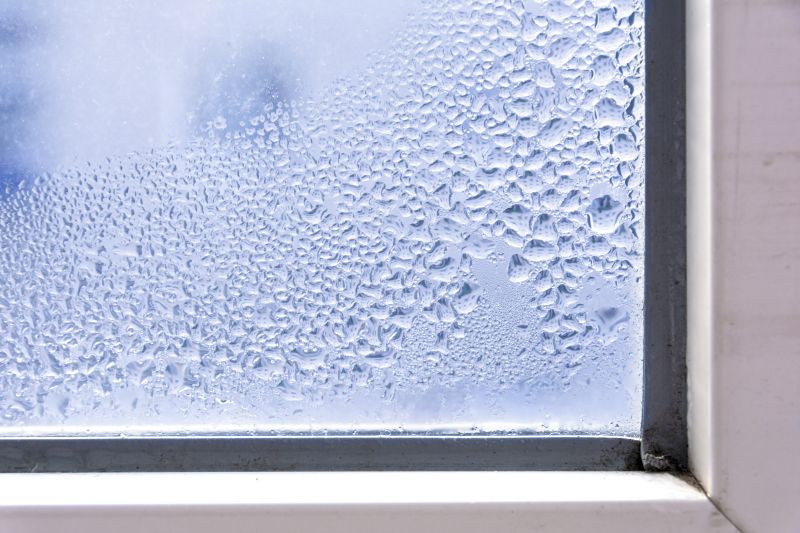
Scheduling during low humidity months prevents condensation issues and ensures seal integrity.

Choosing less busy times can lead to faster scheduling and less disruption.

Ways to make Noise Reduction Window Service work in tight or awkward layouts.
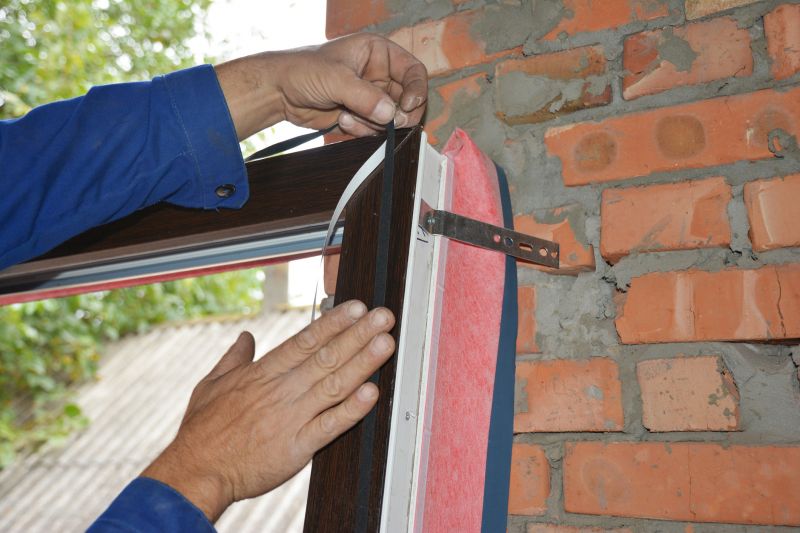
Popular materials for Noise Reduction Window Service and why they hold up over time.

Simple add-ons that improve Noise Reduction Window Service without blowing the budget.
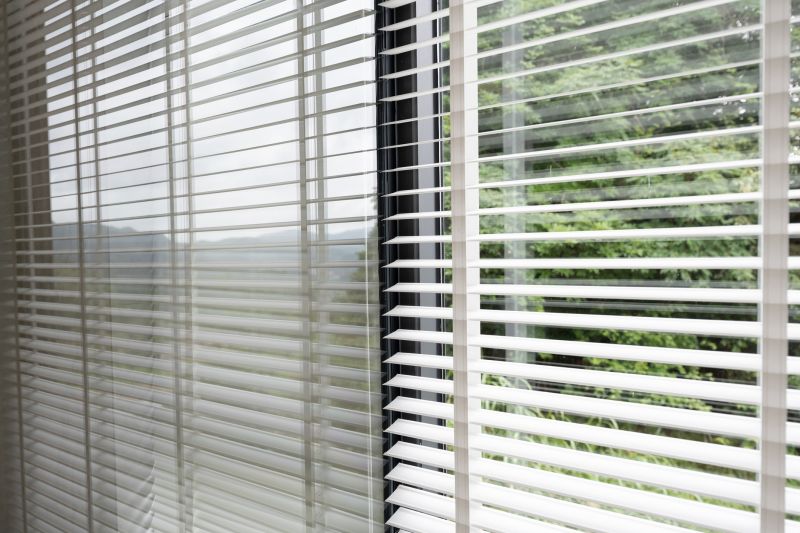
High-end options that actually feel worth it for Noise Reduction Window Service.
Noise Reduction Window Service involves the installation or upgrade of windows designed to minimize sound transmission. These specialized windows often feature multiple panes, acoustic seals, and laminated glass to effectively block external noise. Proper timing for installation can enhance the performance of these windows, ensuring they operate at peak efficiency and provide optimal soundproofing benefits.
Statistics indicate that well-timed noise reduction window upgrades can significantly improve indoor comfort and reduce noise pollution levels. For example, acoustic window installations can decrease outdoor noise by up to 50-70%, depending on the product and installation quality. Scheduling during favorable weather conditions ensures proper sealing and prevents issues like condensation or seal failure, which can compromise noise reduction performance.

Enhanced sealing and multiple panes contribute to superior noise insulation.

Proper timing ensures effective installation and optimal noise reduction.

Post-installation performance depends on correct timing and weather conditions.
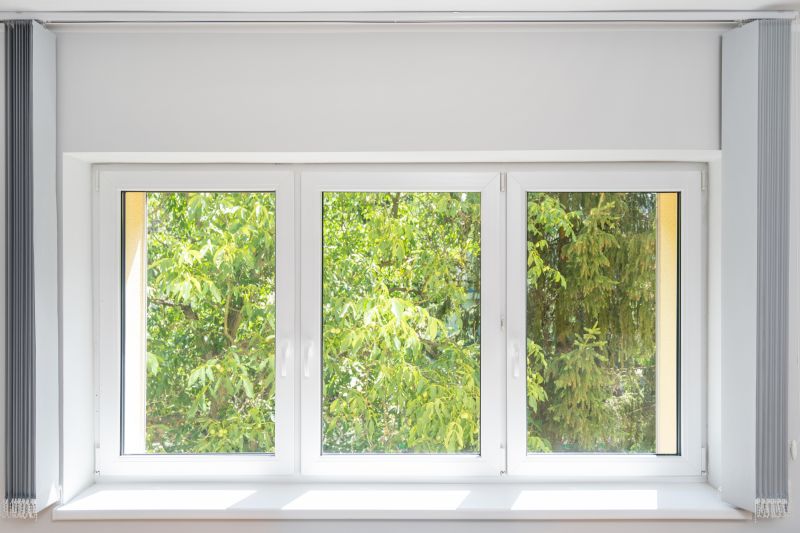
Finishes and colors that play nicely with Noise Reduction Window Service.

Little measurements that prevent headaches on Noise Reduction Window Service day.

A 60-second routine that keeps Noise Reduction Window Service looking new.
| Season/Period | Ideal Timing for Noise Reduction Window Service |
|---|---|
| Spring | Start of mild weather, before high pollen or rain seasons. |
| Summer | Early summer for pre-winter preparation, avoiding peak heat. |
| Fall | Before winter, to ensure windows are sealed for cold months. |
| Winter | In milder winter days, if necessary, with proper planning. |
| Off-Peak Seasons | During periods of low property activity for minimal disruption. |
Scheduling Noise Reduction Window Service at the right time enhances installation quality and durability. Properly timed upgrades contribute to better soundproofing, improved energy efficiency, and longer-lasting performance. It is advisable to plan ahead, considering local climate patterns and property schedules, to achieve the best results.
Interested property owners or managers seeking to improve noise insulation should consider consulting with specialists to determine the most suitable timing for their specific location and needs. Filling out the contact form can provide tailored recommendations and scheduling options for Noise Reduction Window Service.